
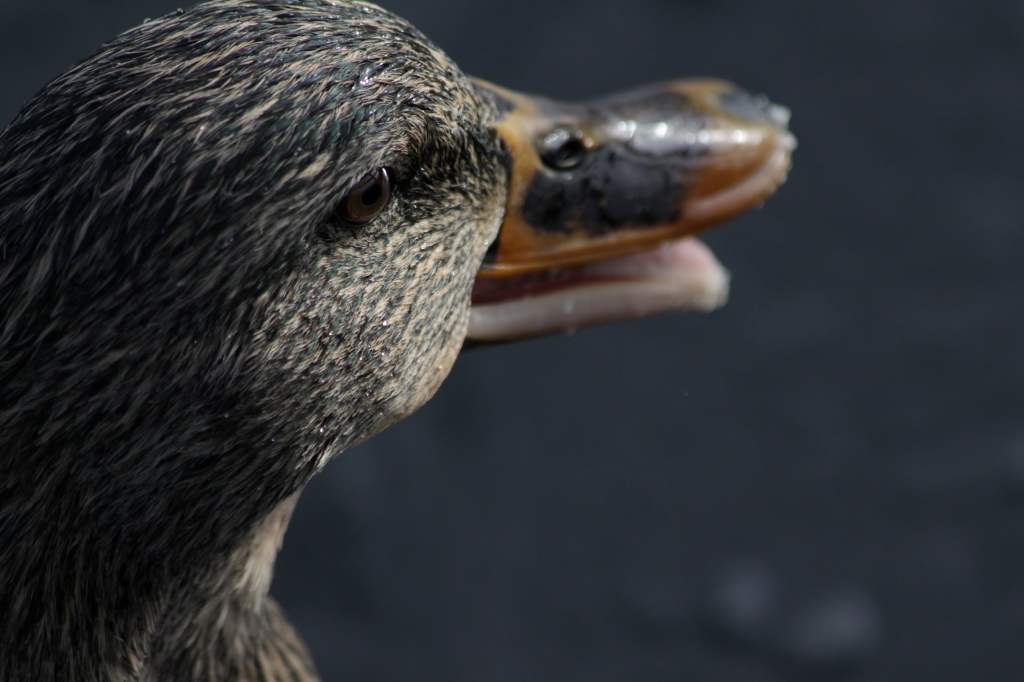
Part 1 – Vocalization
Nuptial feathers don’t come in until a duck or drake reaches 4-6 months of age. Is there a faster way to know – outside of waiting patiently?
There are three common ways to determine the gender for waterfowl. DNA testing, Vent Sexing or Voice Sexing. Today, we are going to talk about the least invasive option – Listening to their voice. While this does require a little bit of patience, their voices will change at around 2-8 weeks.
Determining a duck’s gender by voice is a surprisingly accurate method for many breeds—especially once they’re about 6–8 weeks old. Here’s how it works:
How to Sex Ducks by Voice:
1. Listen for the Quack
• Females: Loud, clear, classic “quack!” sound.
• Males: Soft, raspy, whispery, or hoarse-sounding quack.
Tip: If it sounds like a typical duck from a cartoon—it’s probably a girl!
⸻
What the Voices Sound Like:
• Hen (female): “QUACK! QUACK!” — sharp, loud, and distinct.
• Drake (male): “Whaaa-whaa” or a raspy hiss/quack — quiet and throaty.
⸻
Try the Voice Test:
1. Pick up the duck (gently).
2. Separate it from its flockmates briefly.
3. Most ducks will make noise when startled or alone.
4. Compare the sound with known males or females if possible.
⸻
When It Works Best:
• Age: Voice differences become clear around 6–8 weeks old.
• Breed: Works reliably with most domestic breeds like Pekins, Rouens, Runners, and Mallards.
Note: Muscovy ducks don’t quack—they hiss—so voice sexing doesn’t apply to them.
⸻
Pros of Voice Sexing:
• Non-invasive
• Easy for beginners with practice
• No need to wait until full maturity
Limitations:
• Doesn’t work on very young ducklings (under ~5 weeks.
• Less reliable for some quiet breeds or when ducks are stressed or sick
• Doesn’t work on Muscovy ducks (they use different vocalizations)

 Caring for your Flock
Leave a comment