An American heritage breed recognized for its iridescent black-green plumage, hardiness, and calm demeanor.
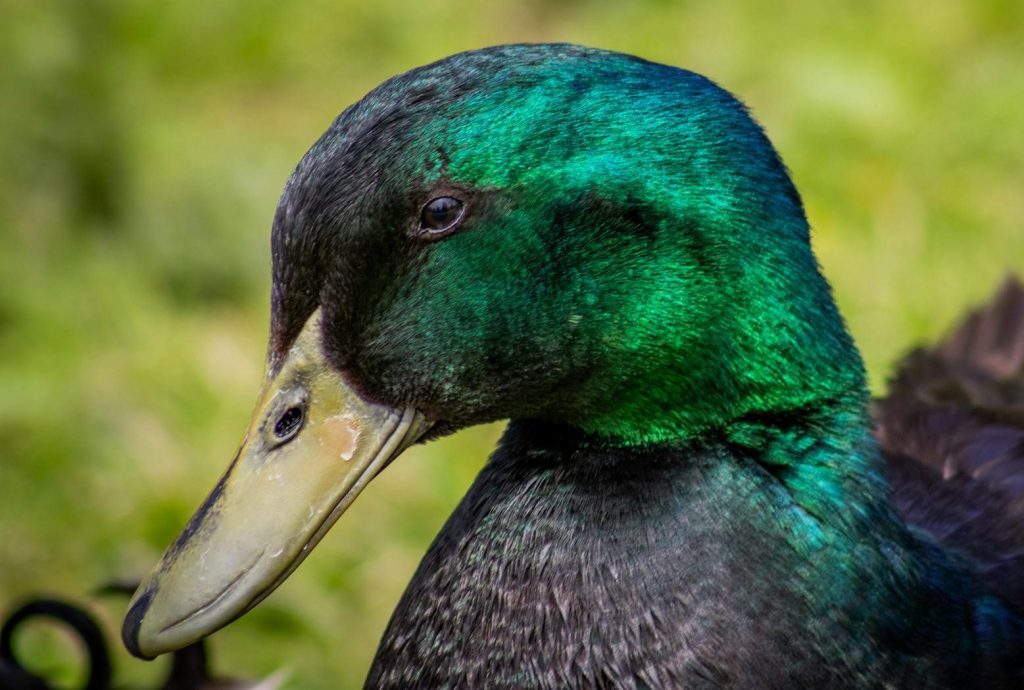
The Cayuga Duck is a stunning, American heritage breed recognized for its iridescent black-green plumage, hardiness, and calm demeanor. Originating in the United States, this breed has become a favorite among duck enthusiasts, small-scale farmers, and homesteaders for its dual-purpose qualities—providing both eggs and meat. Additionally, their quiet nature makes them well-suited for suburban and urban settings.

With their deep, broad bodies, slightly arched necks, and well-curled tail feathers in drakes, Cayugas exhibit a classic waterfowl elegance. They closely resemble the Aylesbury duck in body shape but are distinguished by their unique color-changing feathers—a trait that becomes more pronounced as they age. This natural mottling gives older Cayugas a salt-and-pepper look, adding to their charm.
Size & Physical Characteristics
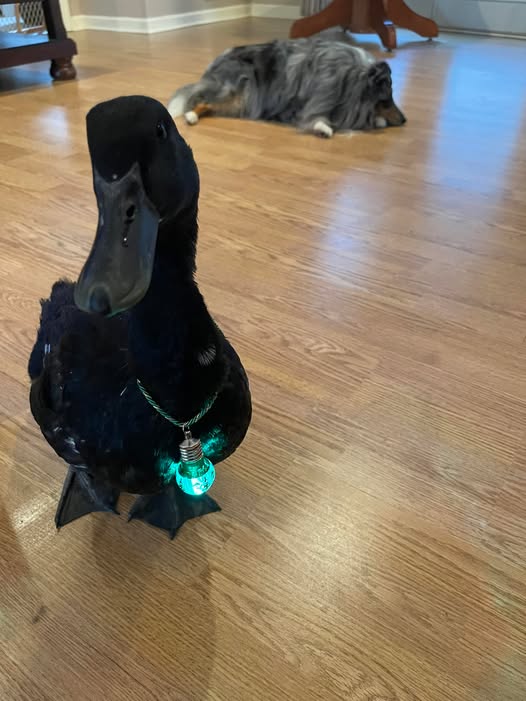
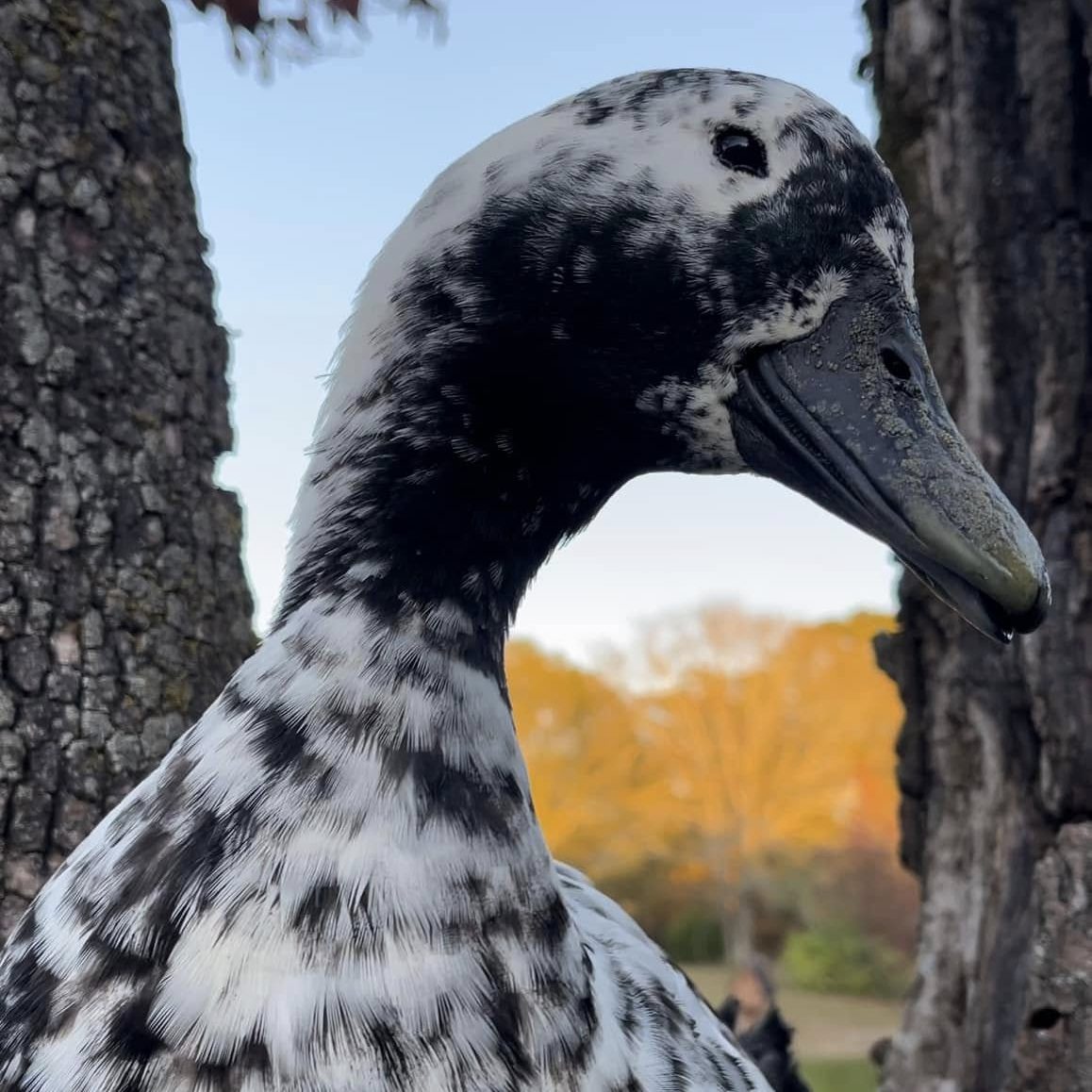
This is Loki a female Cayuga Duck. As she has aged, she has developed a lot more white plumage. Photo Credit: Jason Bennett
Cayugas are a medium to heavy breed, with mature adults weighing between 7-8 lbs. Their heads are long, and their slightly flattened bills begin as black but may change to green as they mature. Their legs and feet are black, though drakes may develop an orange tinge as they age. As Cayugas age, they will start developing white feathers.
One of the most captivating features of Cayuga ducks is their stiff, hard feathers that shimmer in shades of green, blue, and purple under sunlight. This metallic sheen makes them a striking addition to any flock.
Despite their robust bodies, Cayugas are not strong fliers due to their weight and wing structure. They prefer to forage on the ground, where they excel at finding food, making them a cost-effective breed for those with pasture or open space.
Egg Production & Color Changes
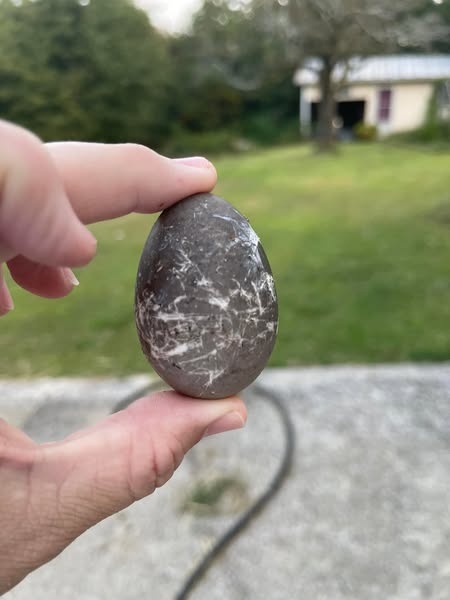
One of the most fascinating aspects of Cayuga ducks is their egg-laying ability and unique egg coloration. They produce 100-150 large eggs per year, making them a valuable addition to backyard flocks.
Unlike the traditional white eggs of many duck breeds, Cayugas start the season by laying dark charcoal or nearly black eggs. As the laying cycle progresses, the color gradually fades to gray, light gray, and eventually white. Some Cayugas never produce black eggs unless they come from a high-quality breeder with strong genetics.
Cayuga hens typically become broody after laying 8-14 eggs and will diligently sit on their clutch until they hatch. During this period, they may become territorial or aggressive, especially toward perceived threats. While their broodiness can be an asset for natural breeding, it’s important to monitor their behavior around other ducks and animals.
Temperament & Personality
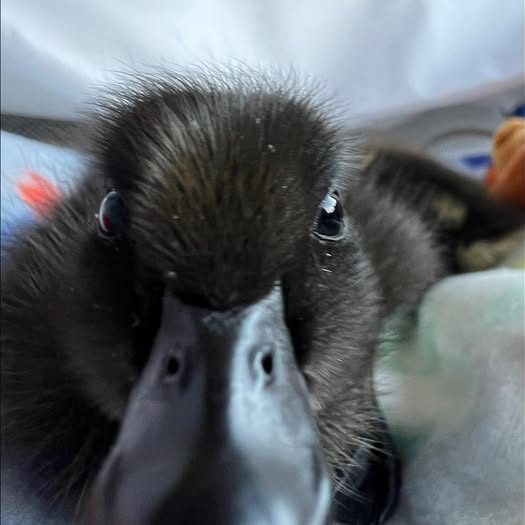
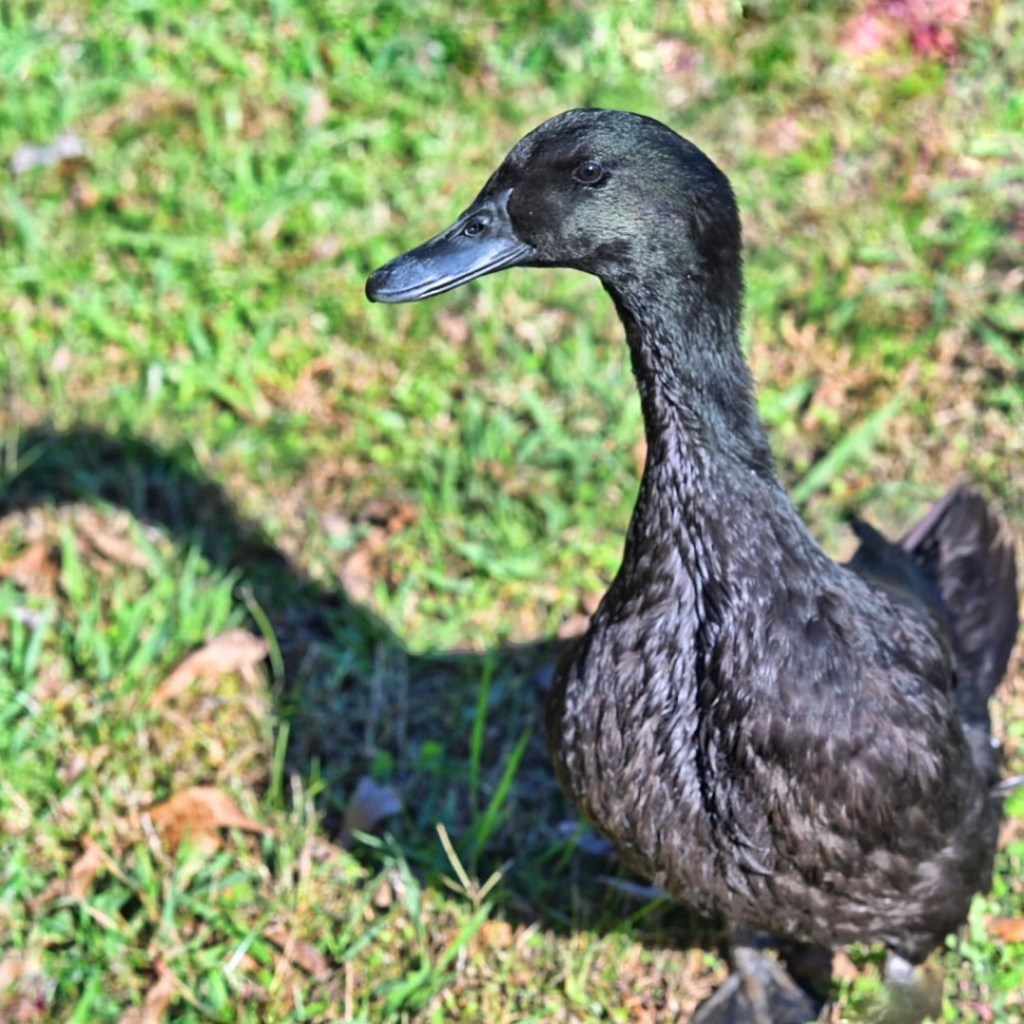
Lucky Seven – Photo Credit: Stacie Spain
Cayugas are known for their gentle and friendly disposition, making them a great breed for families, hobby farmers, and those new to duck-keeping. When hand-raised, they become tame and social, often following their caregivers and enjoying human interaction.
Their quiet nature makes them particularly suitable for urban and suburban settings, where noise restrictions might limit louder duck breeds. While drakes remain mostly quiet, hens can be more vocal, particularly when laying or communicating with their flock.
Due to their natural flocking instinct, Cayugas are sometimes used in dog herding trials. They stay together well and respond predictably to movement, making them a popular choice for trainers working with herding dogs.
Foraging & Feeding
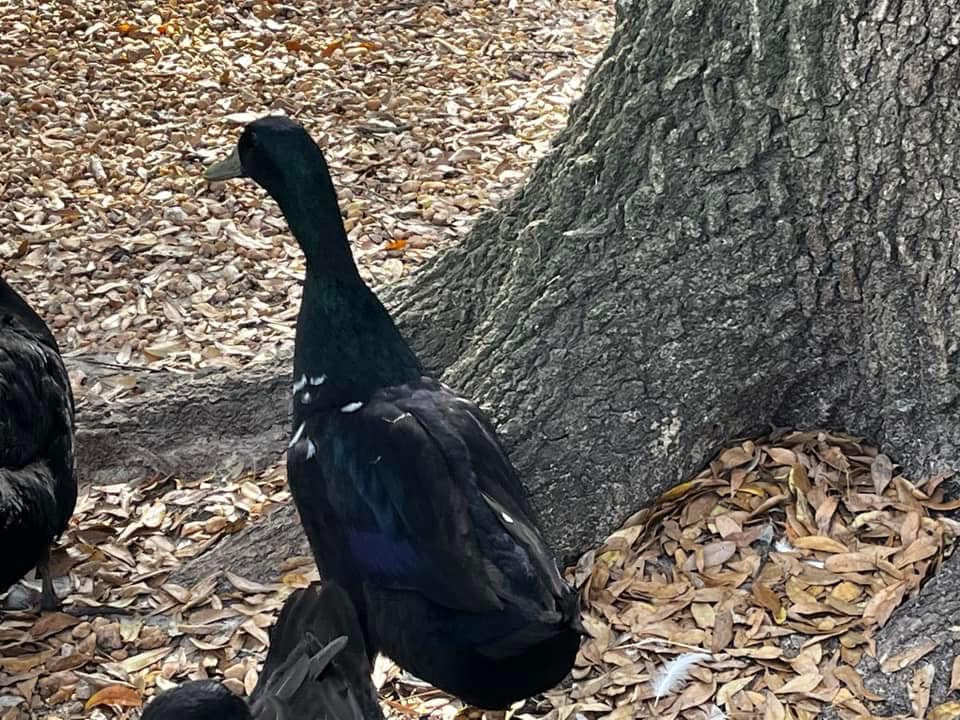
Cayugas are excellent foragers, capable of obtaining much of their diet from natural sources when given the opportunity. They thrive in environments where they can rummage for insects, worms, and small plants, reducing the need for commercial feed.
For optimal health, their diet should include:
- High-quality waterfowl pellets or crumbles
- Fresh vegetables & leafy greens
- Protein-rich treats like mealworms or black soldier fly larvae
- Grit and calcium supplements (especially for laying hens)
Having access to water—whether a pond, kiddie pool, or shallow basin—is essential for Cayugas to maintain their feather condition and hygiene.
Duckling Care & Growth
Cayuga ducklings hatch covered in dark brown to black down and require proper care to thrive. Early access to water is crucial for developing their sebaceous glands, which produce the waterproofing oils that keep their feathers in good condition.
For hand-reared ducklings:
- Provide a shallow water dish that they can easily enter and exit.
- Ensure access to a chick warmer or heat lamp to regulate body temperature.
- Expect to change water frequently, as ducklings create messes quickly.
- Be prepared for rapid growth—ducklings outpace chickens in their development and can transition outdoors sooner.
Cayuga ducklings are hardy and robust, but cleanliness is key to preventing illness. Their brooders should be cleaned daily to keep bedding dry and prevent bacterial buildup.
Health & Biosecurity
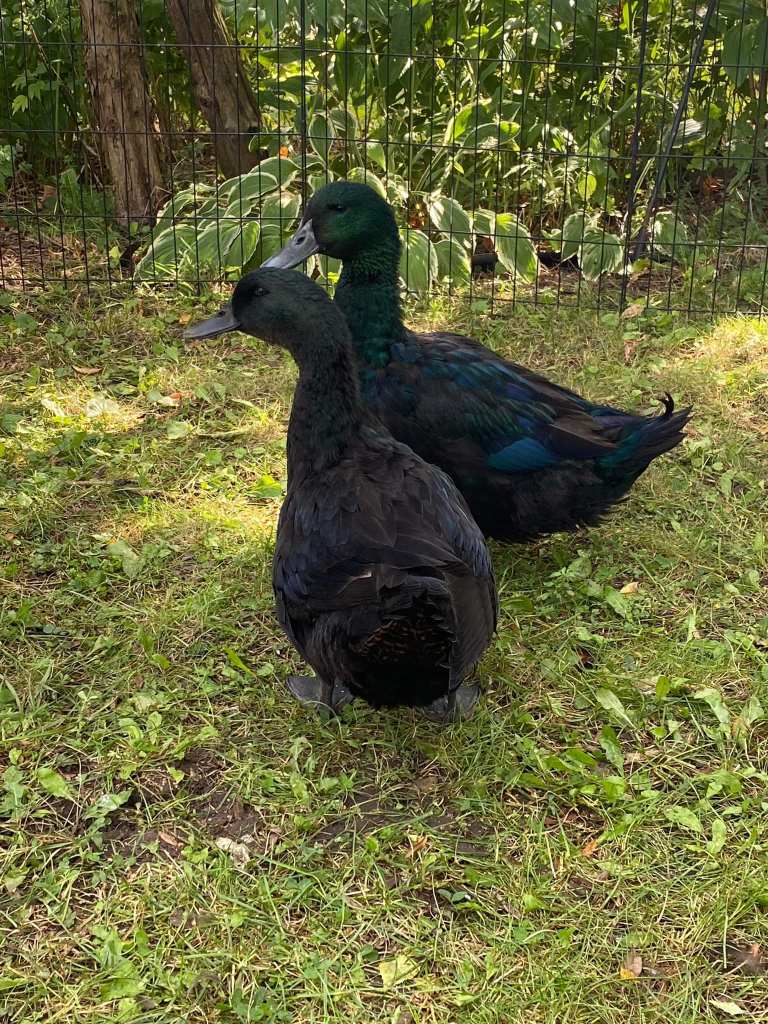
Isobel Truman – Dini and Della
Cayugas are genetically strong and not prone to any breed-specific illnesses. However, maintaining proper biosecurity measures is essential for keeping them in top condition.
To prevent disease:
- Keep ducks separate from other poultry that may carry illnesses.
- Quarantine new birds for a minimum of two weeks before introducing them to an existing flock.
- Provide clean water and a balanced diet to support overall health.
With proper care, Cayugas can live 8-12 years, making them a long-term investment for backyard flocks and small farms.
Climate Adaptability
One of the standout traits of Cayuga ducks is their resilience to extreme weather conditions. They are exceptionally cold-hardy, able to withstand harsh winters with minimal issues. However, in hot climates, they require shade, water access, and proper ventilation to stay comfortable.
Unlike some duck breeds that struggle in winter, Cayugas maintain strong feather insulation and continue to forage even in snowy conditions. Providing deep bedding and wind protection during extreme cold ensures they remain comfortable.
Conservation Status & Heritage
The Cayuga Duck is an American heritage breed and remains a symbol of traditional farming and homesteading. Due to shifts in commercial farming practices, their numbers have declined, leading to their placement on the Livestock Conservancy’s Watch List.
Dedicated breeders and backyard keepers continue to preserve the breed for its beauty, practicality, and historical significance. Whether raised for eggs, meat, pest control, or companionship, the Cayuga remains a beloved and versatile addition to any flock.
Final Thoughts
The Cayuga Duck is a remarkable breed—stunning in appearance, practical in function, and easy to care for. Whether you’re looking for a unique egg layer, a friendly backyard pet, or a low-maintenance forager, the Cayuga is a fantastic choice. With its calm temperament, striking colors, and rich history, this breed continues to capture the hearts of duck lovers everywhere.
Information sourced from personal experience, the Livestock Conservancy, and Heritage Acres Market.

 Caring for your Flock
Leave a comment