
How to Keep Your Ducks Dry and Happy
When it comes to bedding for a duck coop, there are several options to consider, each with its own pros and cons. Since ducks are naturally messier than chickens, especially with water, choosing the right bedding is crucial to keep their coop dry, clean, and comfortable.
Choosing the Best Bedding for Your Situation
There are many options available. Pricing, availability and the layout of your coop should be factored in to your choice of bedding. Please note that Cedar shavings, while widely available is actually toxic and will irritate your waterfowl’s sensitive respiratory system.
Straw
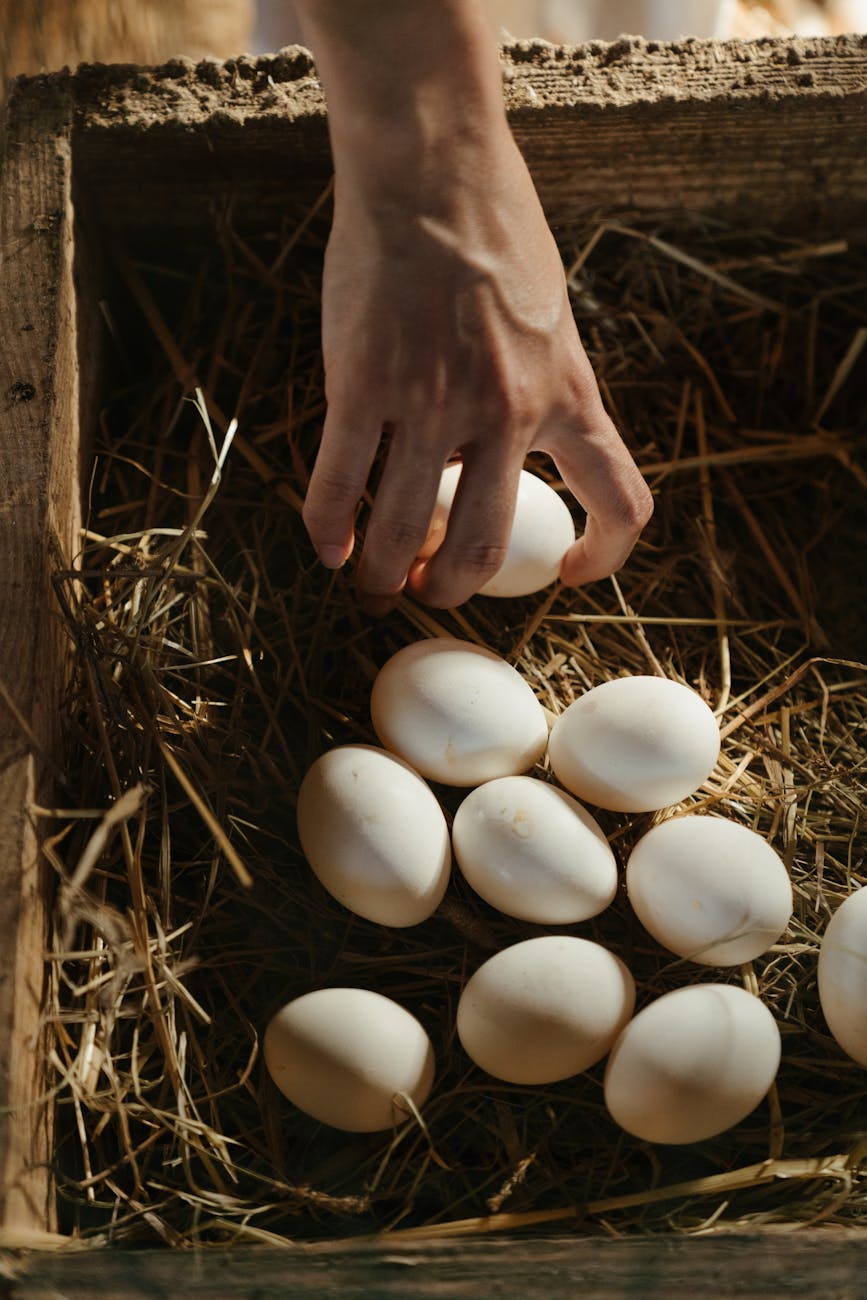
Photo by cottonbro studio on Pexels.com
Pros: Good insulation, relatively cheap, and easy to spread.
Cons: Absorbs moisture slowly, can become moldy if not changed regularly.
Pine Shavings

Pros: Absorbent, controls odor well, and easy to clean.
Cons: Needs frequent replacement to stay dry, and some shavings may be dusty.
Hay
Pros: Soft and provides warmth.
Cons: Absorbs moisture poorly and can get moldy quickly if wet.
Sand
Pros: Drains well, easy to scoop out waste, and stays relatively dry.
Cons: Can be heavy to maintain and may get cold in winter.
*Construction grade sand versus play sand or river sand is recommended because the finer grain sands are known to cause impaction for poultry and waterfowl.
Pelleted Bedding (Wood, Straw or Paper Pellets)
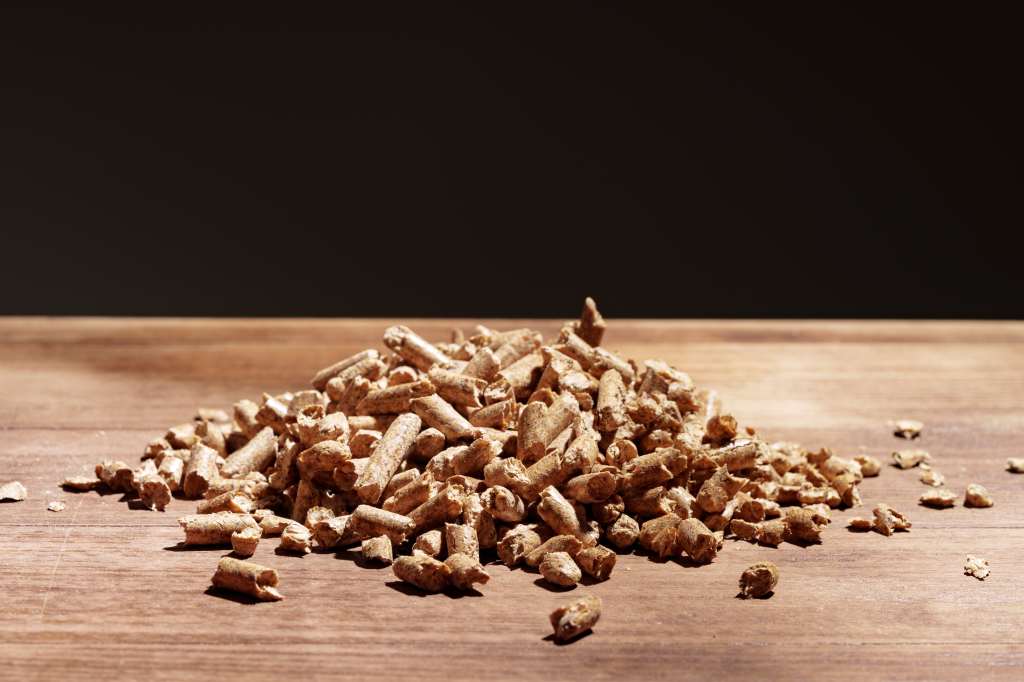
Pros: Highly absorbent, reduces odor, and lasts longer than shavings or straw.
Cons: More expensive and requires activation with water to break down properly. Young waterfowl may try to eat the pellets, which can cause digestive issues.
Puppy Pads
Pros: Highly absorbent, reduces odor, and easy to clean up.
Cons: Need to be changed frequently.
Puppy pads are recommended for brooder babies and house ducks. Amazon sells washable puppy pads – which are more environmentally friendly and cost effective.
Additional Considerations
Deep Litter Method: Layer bedding deeply (4–6 inches or more) and turn it frequently to allow natural composting. This helps generate heat in colder months and reduces waste.
Drainage: Ducks splash a lot of water, so ensuring proper drainage in the coop is important to prevent mold and bacteria growth.
Frequency of Cleaning: Regularly changing out wet bedding and keeping the coop dry will prevent health issues like bumblefoot and respiratory problems.
Determining the Best Bedding for Your Situation
There is no one-sized fits all answer, but hopefully this guide helps you with your selection process! A few final thoughts:
- If cost-effective and easy maintenance is the priority → Straw or pine shavings
- If low moisture retention and easy cleaning matter more → Sand or wood pellets
- For insulation in winter → Straw or deep litter method

 Caring for your Flock
Leave a comment