A Storied Past and a Challenging Future
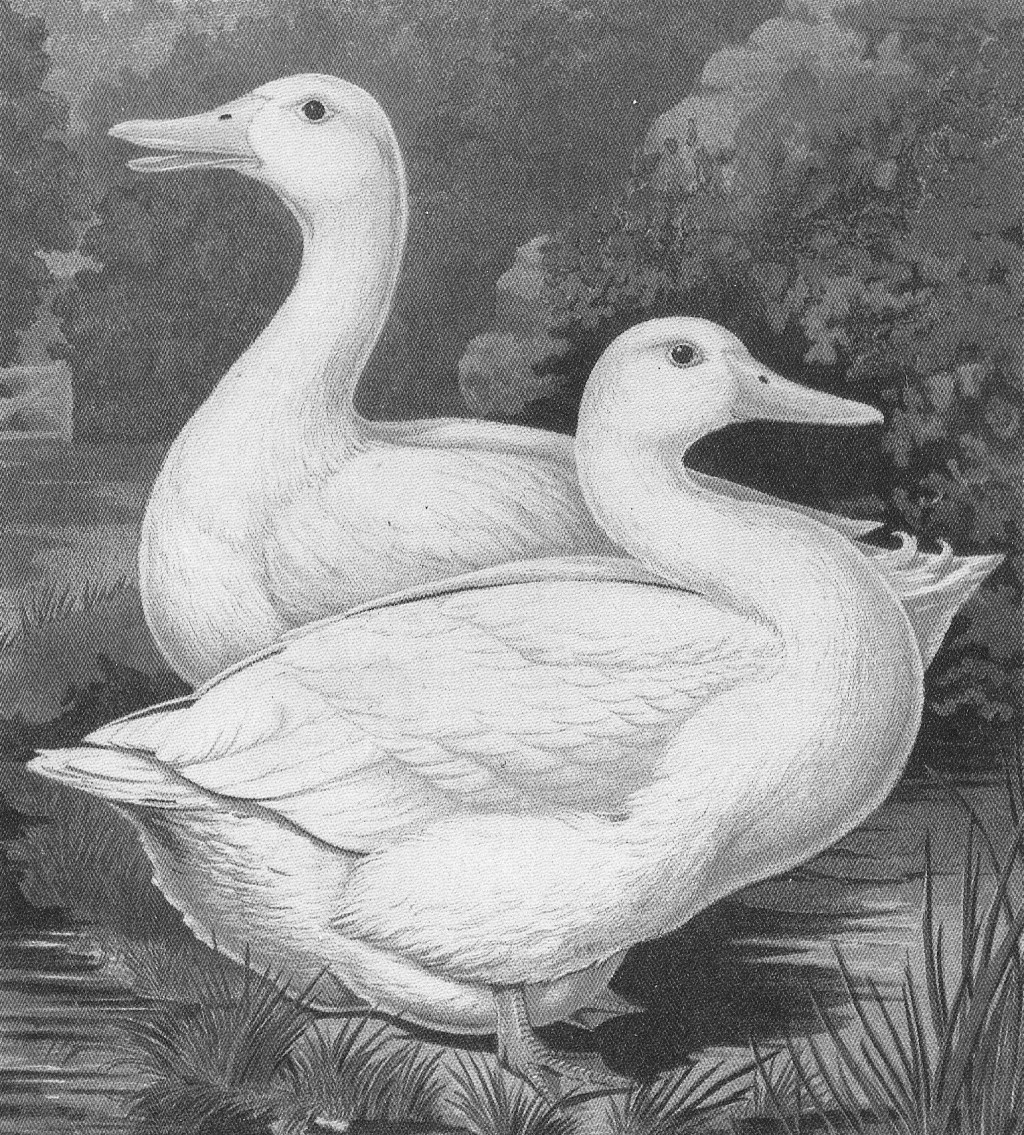
For centuries, the Aylesbury duck has held a special place in British history, particularly in the quaint town of Aylesbury, Buckinghamshire. Known for its pristine white feathers, plump body, and exceptional meat quality, this breed was once a staple of English agriculture and cuisine. However, as the years have passed, the once-thriving industry has faced significant challenges, leaving the Aylesbury duck on the brink of rarity. This article delves into the fascinating history of the Aylesbury duck, its importance in British culture, and the ongoing efforts to preserve this iconic breed.
Aylesbury: The Heart of a Thriving Industry
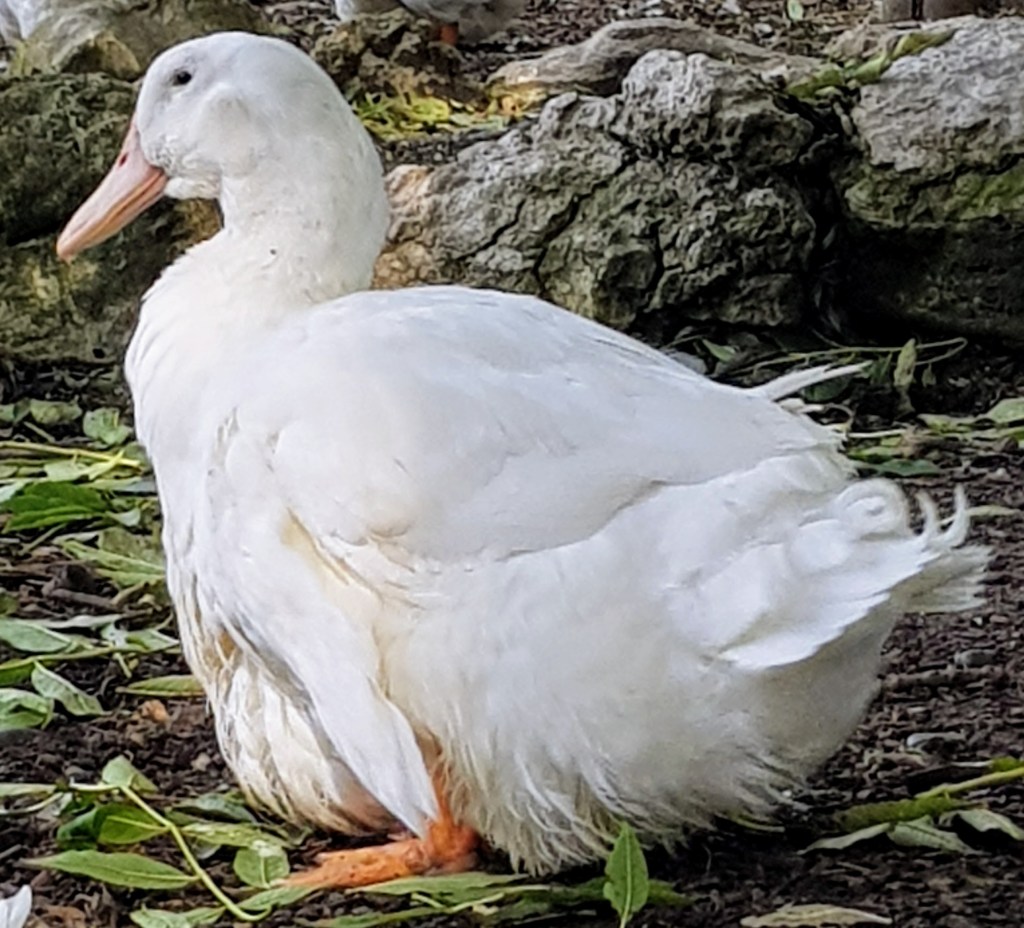
By Irid Escent – Aylesbury duck at Mudchute Farm, September 2017
The origins of the Aylesbury duck can be traced back to the early 18th century when farmers in Buckinghamshire began selectively breeding white-feathered ducks. White feathers were highly desirable because they produced cleaner-looking down and feathers, making them valuable for pillows, bedding, and clothing. Over time, the breed developed its signature characteristics: a broad breast, long body, and pure white plumage.
Aylesbury quickly became synonymous with duck farming, with entire families participating in the industry. During the 19th century, the town flourished as a hub for duck production, with farmers breeding thousands of ducks each season. The local climate and soil conditions provided ideal conditions for rearing waterfowl, and demand for Aylesbury ducks soared, particularly in London, where they were highly sought after for their tender, flavorful meat.
During the peak of Aylesbury duck farming in the mid-19th century, farmers would hatch ducklings indoors in wooden boxes beside open fires to keep them warm. Once old enough, the ducks were walked to market, a journey that could take several days. Farmers covered the ducks’ feet in tar to protect them from the rough terrain—a practice that has become legendary in British agricultural history.
Competition and Decline
Despite its early success, the Aylesbury duck industry faced stiff competition in the late 19th and early 20th centuries. The introduction of the Pekin duck, originally from China, proved to be a formidable challenge. Pekin ducks grew faster, were hardier, and had a more upright posture, making them easier to farm on a larger scale. As commercial farming took precedence over traditional methods, many farmers shifted their focus to Pekins, which could be raised more efficiently and at a lower cost.
Urbanization and industrialization also played a role in the decline of Aylesbury duck farming. As land in Buckinghamshire became more valuable for residential and commercial development, many farms disappeared, and with them, the town’s rich duck-rearing tradition.
By the mid-20th century, the breed had dwindled significantly, with only a few dedicated breeders keeping the tradition alive. Today, the Aylesbury duck is considered a rare breed, and conservation efforts are necessary to ensure its survival.
Aylesbury Ducks in British Culture
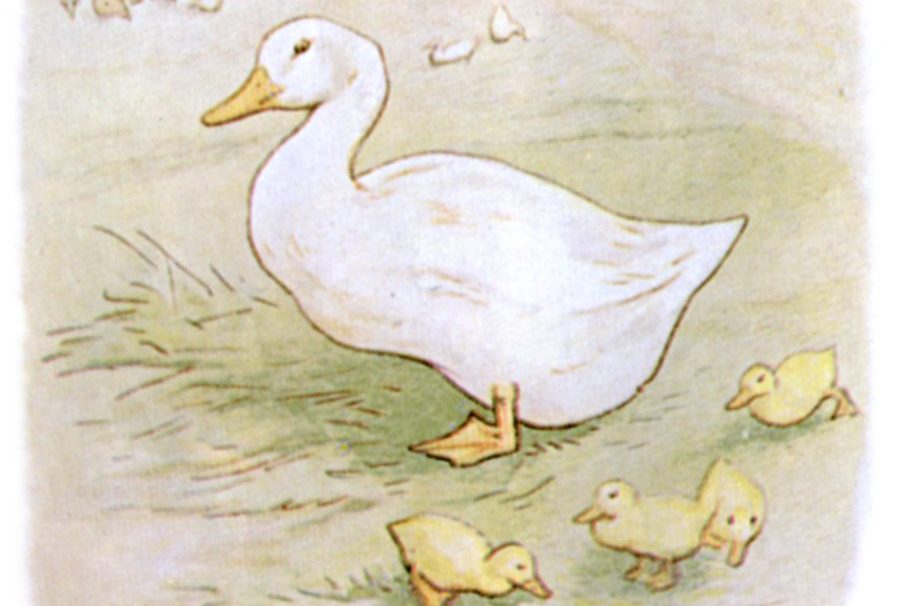
Illustration from children’s book The Tale of Jemima Puddle-Duck
By Beatrix Potter, 1908 – Public Domain
Beyond its agricultural importance, the Aylesbury duck has left an indelible mark on British culture. The breed has been referenced in literature, artwork, and folklore, often symbolizing the countryside and traditional farming life. Aylesbury’s connection to its famous ducks is so strong that the town’s football club, Aylesbury United, is affectionately nicknamed “The Ducks.”
In art, Aylesbury ducks frequently appeared in 19th-century paintings, often depicted in pastoral scenes that celebrated rural English life. Their white plumage made them a visually striking subject, further cementing their status as an icon of the British countryside.
Conservation and Revival Efforts
In recent years, efforts to revive and conserve the Aylesbury duck have gained momentum. Dedicated breeders and organizations, such as the Rare Breeds Survival Trust (RBST), have worked tirelessly to preserve the breed. These efforts include breeding programs, public awareness campaigns, and partnerships with heritage farms to keep the Aylesbury duck from fading into obscurity.
One of the biggest challenges in conservation is the breed’s slow growth rate and high maintenance costs compared to more commercially viable alternatives. However, advocates argue that the Aylesbury duck’s superior meat quality and historical significance make it worth preserving. Some chefs and food enthusiasts have also taken an interest in the breed, promoting its use in fine dining to increase demand and encourage sustainable farming practices.
Several farms across the UK are now dedicated to preserving the Aylesbury duck, ensuring that future generations can continue to appreciate its unique qualities. Additionally, educational initiatives aim to inform the public about the breed’s importance, hoping to inspire new interest in traditional duck farming methods.
Why the Aylesbury Duck Matters

Uncredited – 1900 postcard (uncredited), reproduced Ambrose, Alison (1982). The Aylesbury Duck (1991 ed.). Aylesbury: Buckinghamshire County Museum. p. 15. ISBN 0 86059 532 3
The Aylesbury duck is more than just a breed of poultry; it represents a way of life that was once integral to rural England. Its history is intertwined with the people of Buckinghamshire, who dedicated their livelihoods to breeding and raising these ducks. Losing the Aylesbury duck would mean losing a piece of agricultural heritage that shaped the identity of an entire region.
Moreover, preserving rare breeds like the Aylesbury duck is essential for biodiversity. Industrial farming often relies on a few select breeds optimized for mass production, but this lack of genetic diversity can leave the industry vulnerable to diseases and environmental changes. By maintaining traditional breeds, we help ensure a more resilient and sustainable agricultural future.
Looking Ahead
While the Aylesbury duck’s future remains uncertain, the dedication of breeders, conservationists, and culinary enthusiasts provides hope. With continued awareness and support, this iconic breed may once again flourish in British farms and kitchens.
For those interested in supporting the Aylesbury duck, purchasing from ethical breeders, raising awareness, or even considering heritage breed farming can all make a difference. The Aylesbury duck is a symbol of British agricultural history, and by working to preserve it, we honor the traditions and hard work of generations past.
Conclusion
The Aylesbury duck’s journey from a thriving industry to near extinction is a poignant reminder of the changing landscape of agriculture and food production. Yet, its story is not yet over. Through conservation efforts and renewed public interest, there is hope that this historic breed can regain its place in the British countryside. Whether as a culinary delicacy, a cultural icon, or a living piece of history, the Aylesbury duck deserves recognition and protection. By valuing our agricultural heritage, we ensure that future generations can continue to appreciate the beauty and significance of this remarkable breed.

 Caring for your Flock
Leave a comment