Are you a beginner duck and goose owner looking for some helpful tips to ensure the well-being of your feathered friends? You’ve come to the right place! Raising Ducks and Geese is here to provide you with some valuable advice to kickstart your journey into the world of waterfowl.
Create a Suitable Living Environment

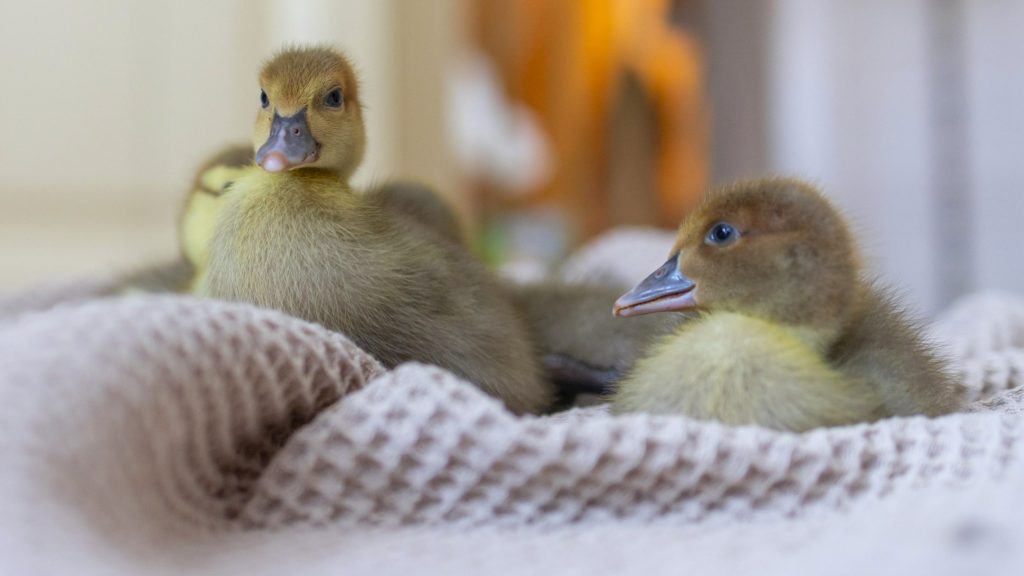
First and foremost, it is essential to provide a suitable living environment for your ducks and geese. Ideally, this would be done before you bring your ducks or ducklings home.
Make sure they have access to a pond or kiddie pool for swimming, as water is essential for their health and well-being. Additionally, ensure they have a sheltered area to protect them from the extreme elements and predators.
Engage with other group members and gather ideas for your dream coop/run on our Facebook Chat
Nutrition: What Do I feed my ducks?
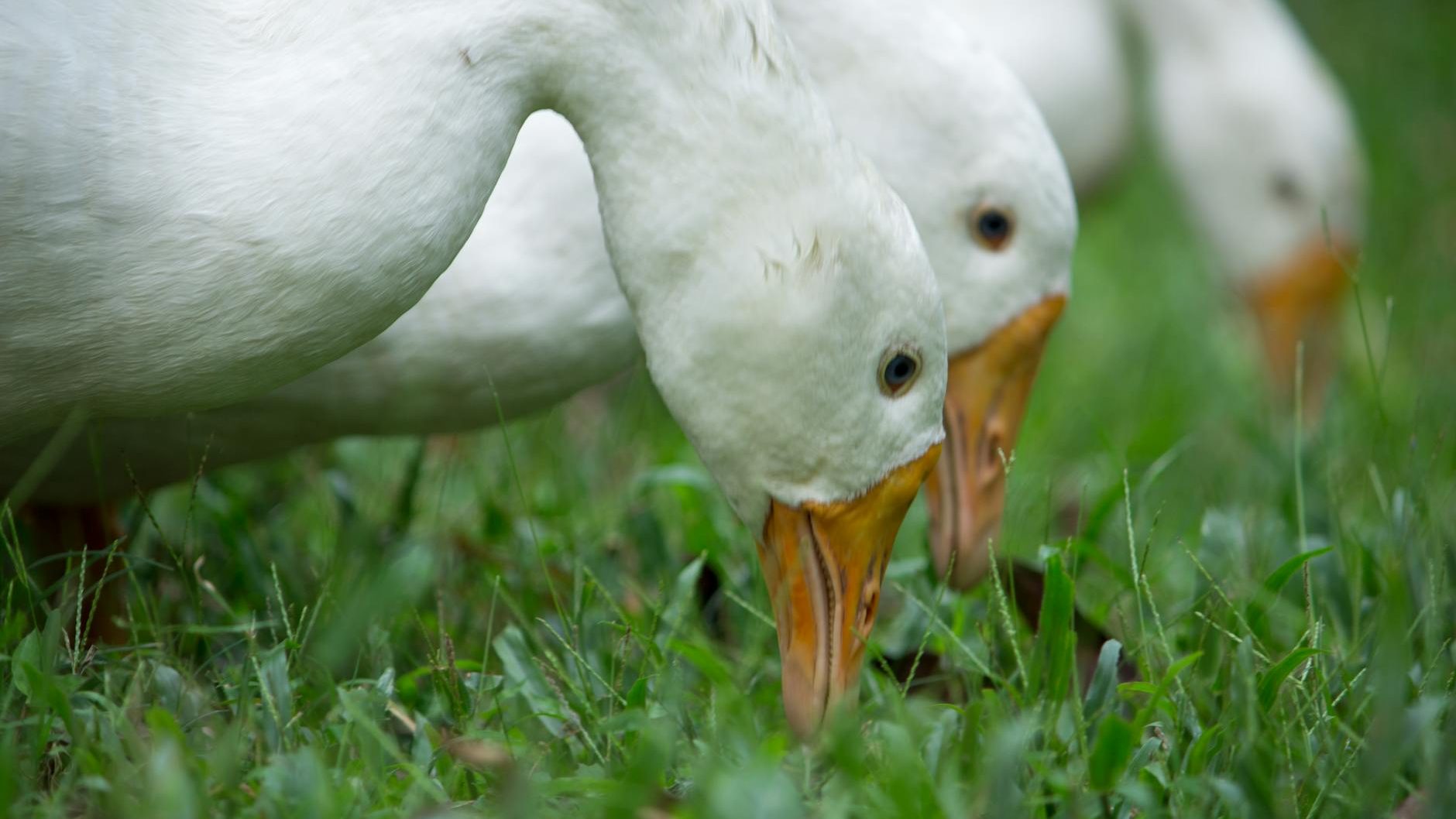
When it comes to feeding your ducks and geese, it is important to provide them with a balanced diet. Commercial feed specifically formulated for waterfowl is readily available and should make up the bulk of their diet. On average, waterfowl will consume 5-10 ounces of feed per day. This average can vary based on the season and how much they are able to forage during the day.
However, supplementing their feed with fresh fruits, vegetables, and greens is also beneficial. Corn, Romaine Lettuce, Sweet Peas, Carrots, Strawberries, Melons and Blueberries, are popular treats. Ducks can also eat fruit including apples, pears, bananas, and plums, but because ducks don’t chew, they will need chopping up into small pieces.
Eggs are a waterfowl ‘superfood.’ Egg yolk, chicken, duck or goose, can be given as a vitamin supplement. They can be given raw or scrambled – just make sure that they are room temp or close to it before serving.
Avoid Citrus fruits like Lemons, Limes, Grapefruit, and Oranges. Fruits with Pits or seeds (like Watermelon, Plums and Apples) should have the pits or seeds removed before giving to your duck. Many seeds contain cyanide in varying amounts and this is toxic for birds (and humans). Iceberg lettuce and bread (or anything with carbs) have very little nutritional value and should be given very sparingly.
Chat about nutrition with other duck parents on our Facebook Chat
Water – How Much Do My Ducks Need?
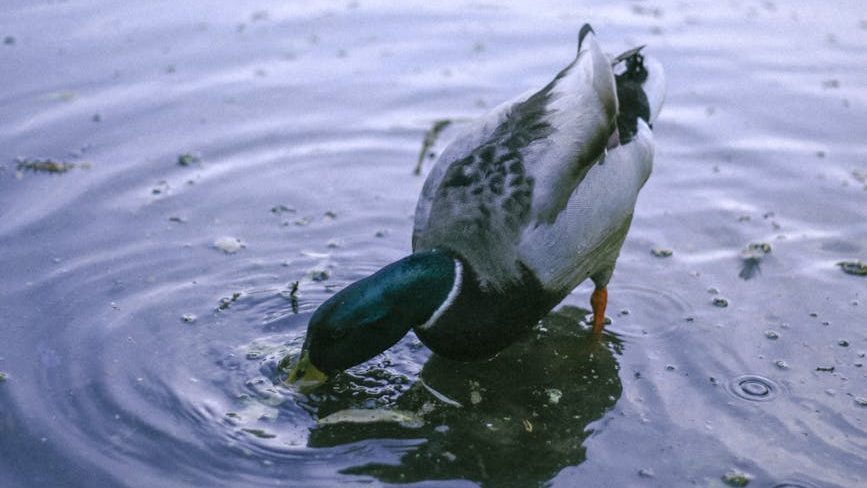
Another crucial aspect of caring for ducks and geese is ensuring they have access to clean water at all times. AT ALL TIMES – Even at night inside a coop. Yes, they can be messy, but Ducks and geese need water not only for swimming – but also for drinking and preening their feathers.
Make sure to regularly clean and refill their water containers to prevent the spread of disease. It is also recommended that the water storage vessel be scrubbed regularly to prevent mold, algea and other contaminants from growing. The average waterfowl will drink approximately 1/2 a gallon of water per day – This average can vary based on size, climate and diet.
Ducks do not need access to swimming water at all times, but they do need drinking and cleaning water 24/7. The bucket or bowl used should be deep enough for your waterfowl to fully submerge their head. This affords them the opportunity to blow out their nares (where they breathe) and rinse their eyes. A bird that cannot clean regularly is more likely to develop a respiratory issue.
You’ve Got A Friend in Me…

Socialization is key for ducks and geese, as they are animals that thrive in the company of their own kind. Consider getting them a few companions to keep them happy and engaged.
Friendly and happy ducks are desirable. However, imprinting can come with some long-term consequences. Separation anxiety, lack of social skills with other ducks and an inability to compete for food/water or other necessary resources in a flock setting. Imprinting typically happens within the first 12-36 hours. During this time it is critical to ensure that a duckling is socialized to both humans and ducks.
Get social with other duck parents on our Facebook Chat
Healthcare
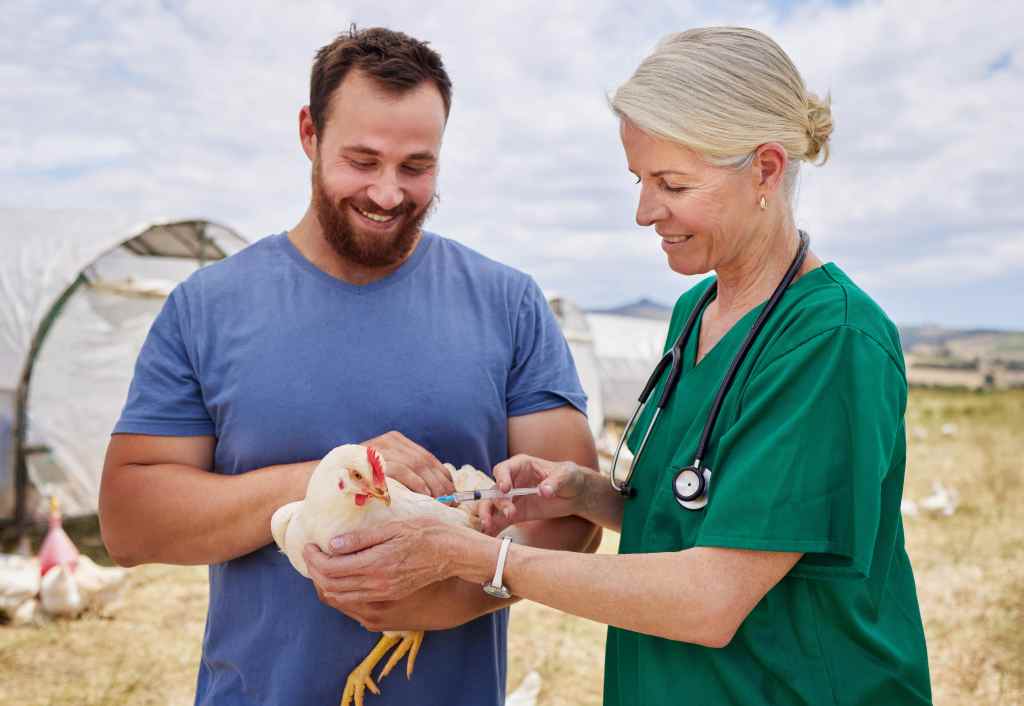
Is there a Vet Nearby that will Treat My Sick Waterfowl? Bueller…Bueller!?! Regular health check-ups are essential to animals care. If there is no Avian or Exotic Vet nearby, how do you ensure the well-being of your ducks and geese?
The biggest tip that we can provide you – Don’t wait until you need a vet to locate one. Find a reputable avian veterinarian who can provide routine check-ups and address any health concerns that may arise.
 Caring for your Flock